

The morning sun sprinkled on the cobblestone streets, the dock workers began to load and unload the goods, and the market gradually became noisy. I sat in front of the computer and watched the city of Rome that I had built with my own hands slowly wake up. This sense of accomplishment is more real than winning any game. _Anno 117: Pax Romana_ has completely made my urban construction game lovers completely addicted.
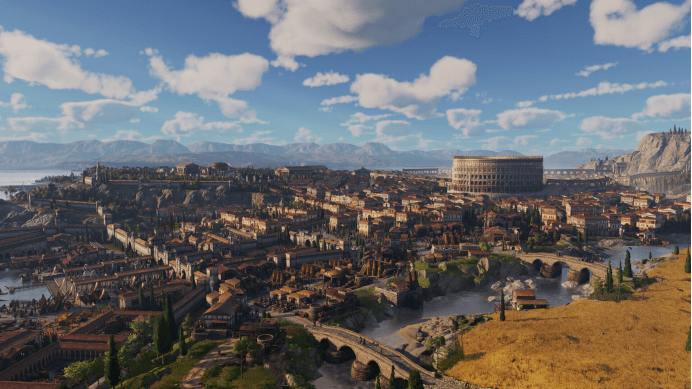
When I first started playing, I also made a lot of low-level mistakes. Once, in order to develop rapidly, a residential area was built next to the charcoal kiln. As a result, the nobles protested collectively, and the reputation of the city plummeted. Only then did I understand that to be a mayor in ancient Rome, I had to understand not only the economy, but also urban planning. Now, every time I open a new map, I will carefully observe the terrain and plan roads and canals like a real Roman engineer.
What fascinates me most is the cross-island trade system. I remember that when the fleet was organized to transport cheese for the first time, three ships of cheese drifted at sea for half a month because of a mistake in setting the route. Looking at the nobles in the main city complaining that it was out of stock, I scratched my head anxiously. Later, he learned to be smart and set up a transit station on the route, and specially set up an escort fleet to deal with pirates. When I saw that the trade route was finally running smoothly, the joy was no less than winning a battle.
The naval battle system gave me a big surprise. At first, when he met pirates, he could only watch the merchant ship being robbed. Later, he gradually mastered the skills of maneufering the ship. I like to force pirates into the bay with oars and sailboats. I feel relieved to see them with no way to escape. However, the land war is relatively ordinary. Fortunately, it does not affect the overall experience.
The most interesting setting in the game is to deal with the emperor’s various requirements. Once the emperor insisted that I build a giant temple within the time limit. At that time, my finances were stretched to the limit. After gritting his teeth to complete the task, the reward he got directly upgraded the development of the city. But because of this, I owe a lot of debt, and it took me a long time to pay it off.
The details of the picture are really careful. If you zoom in, you can see the citizens chatting in the bathhouse, the children chasing and playing on the street, and even the movements of the dock workers are different. Once I stared at the screen for half an hour just to observe the daily life of the citizens. This vivid feeling makes the city truly “alive”.
But the game is not perfect. The economic system is particularly fragile in the later stage, and a small mistake may make the whole city fall into a vicious circle. Once I changed the patron saint, but agricultural production plummeted, triggering a chain reaction, almost destroying the city that had been operating for more than a dozen hours. Fortunately, I barely survived the difficulties by relying on the previous trade reserves.
After playing, what I enjoyed most was not the rapid development, but the slow polishing of every detail of the city. Watching the civilian area gradually upgrade to an aristocratic area, and the desert island becomes a prosperous trade hub, this sense of cultivation is particularly healing. Although the battle mode is a little short, the endless mode is enough to play for hundreds of hours.
If you also like urban construction games, you might as well be the mayor of Rome in Epoch 117. I believe you will be addicted to the fun of planning streets, organizing trade and resisting pirates like me. After all, what a sense of accomplishment it is to see the city you have built by yourself shining in the sun.